
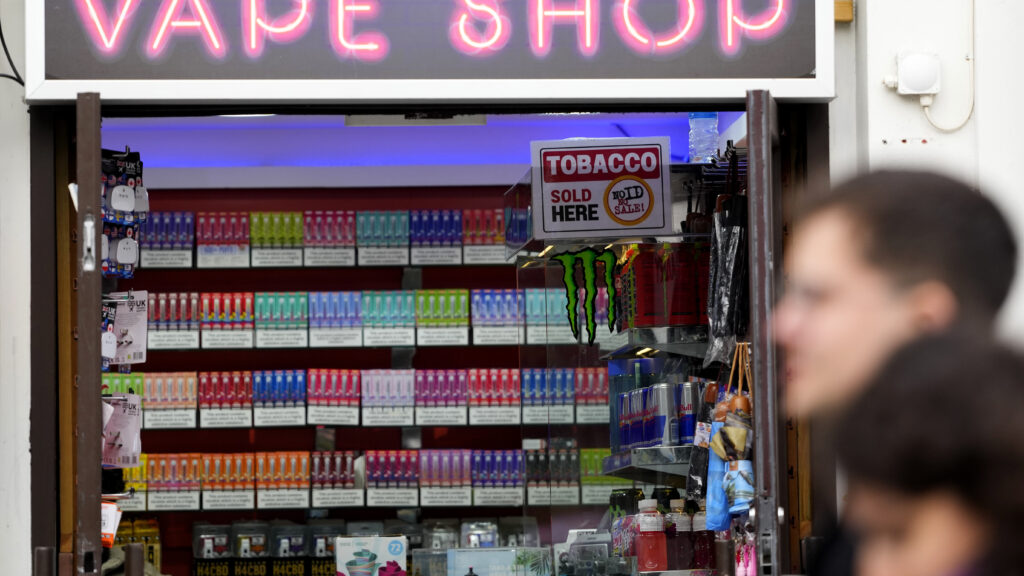
England’s poorest communities contain 70% more vape shops, off-licenses, and takeaways on their high streets compared to positive lifestyle influences.
The country’s most deprived areas also contain 25% less gyms and cafes than prosperous areas, and half the amount of childcare facilities, according to the Independent Commission on Neighbourhoods (Icon).
Icon, run by the Labour peer Hilary Armstrong, said ministers risked overlooking vitally important neighbourhood shopping precincts by focusing on only town centres.
The Icon findings also highlighted high street vacancy rates as another major issue, with 8.1% of units sitting untouched in the more deprived areas in comparison to 5.9% in affluent areas.
The survey found 79% of respondents were concerned about the decline in local high streets, while 65% said the quality of and options for shopping are not good enough.
Hannah Shrimpton, Research Director at Ipsos said:
”The challenges facing local high streets, with high prices and an abundance of vape and barber shops, indicate a need for revitalisation strategies that prioritise a diverse range of retail options.”
Other points within the Ipsos’ survey include concerns that there are too many vape shops, not enough independently run shops, too many barber shops, too many nail bars, and too many charity shops in place of valuable ”shops down the road”, which play a crucial role in local lives.
In a speech last week, Sir Keir Starmer announced an expansion of the Pride In Place programme, a regeneration initiative introduced to mend broken communities, which will provide funding to 248 areas across the UK.
He said that the money will help “get rid of the boarded-up shops, shuttered youth clubs and crumbling parks that have become symbols of a system that stopped listening”, and encourage the regeneration of shops, pubs, and libraries to restore local assets.