
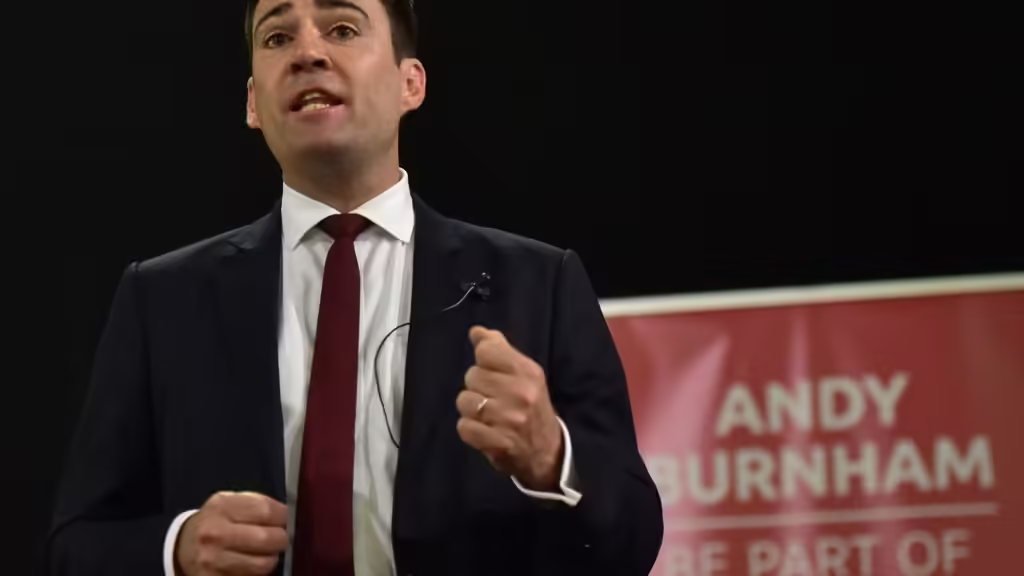
How and why was the Mayor for Greater Manchester blocked, and what does this have to do with the leadership of the Labour Party?
Last week, former Labour minister Andrew Gwynne announced he was standing down as an MP, triggering a by-election in his Greater Manchester constituency of Gorton and Denton. Yesterday, Andy Burnham announced he was seeking permission to stand in the by-election.
As the current mayor of Greater Manchester, Burnham needed the approval of Labour’s ruling body before entering the race to become the party’s candidate. The National Executive Committee (NEC) of the Labour Party voted overwhelmingly to block Burnham’s request. The “officer’s group” of the party’s ruling body includes the prime minister, Sir Kier Starmer, himself.
Normally, such a decision might go under the radar. However, in recent months, Burnham has emerged as a strong candidate to replace the prime minister as the leader of the Labour Party. To mount any challenge for the leadership of the party, Burnham needs to be a sitting MP.
Starmer’s allies hope that keeping Burnham away from Westminster will strengthen the prime minister’s position. Labour MPs have called the decision a “huge mistake”, the Guardian reported.
Burnham himself suggested that Labour are more likely to lose the Gorton and Denton by-election now he has been blocked as a candidate. Replying to Starmer’s biographer Tom Baldwin in a post on X, the Greater Manchester mayor said: I’m not sure losing a by-election does us any good either, Tom.”
Pollsters Britain Predicts found Burnham is more popular than Labour among Reform, Green and Tory voters in Gorton and Denton, according to an analysis published in the New Statesman.