
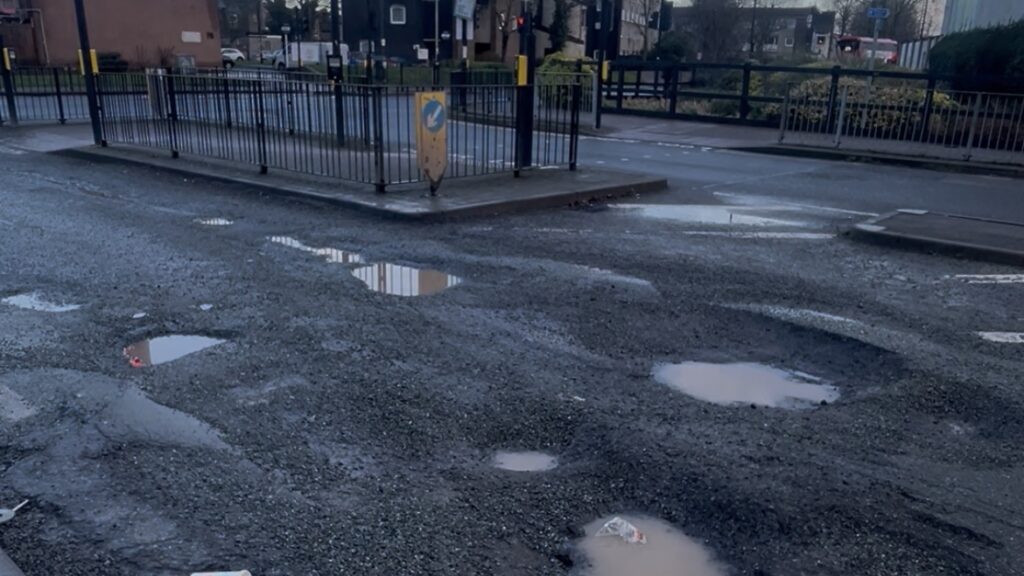
Potholes have always been a source of disruption for UK roads, but as the amount of potholes across the UK increases, what is being done by councils to enforce longer lasting solutions?
Why have potholes become such a big problem?
Potholes continue to fill UK roads, with new figures revealing the true scale of this long-standing national frustration. Recent data from motoring organisations confirms a rise in pothole-related incidents, raising questions concerning the durability of repairs, pressuring local councils.
According to the AA, drivers faced an average of 1,681 pothole related breakdowns every day in 2025, totalling to over 600,000 incidents over the year. The average repair bill has also spiked up to £350. The RAC’s latest pothole Index estimated that there are more than one million potholes marking the UKs current road network.
Why are current solutions not effective?
According to Nick Thom, an assistant professor of engineering at Nottingham University, “water is the enemy.” With our current streak of rainy weather partnered with cold, the roads are more susceptible to cracking and damage when the water freezes and expands, especially beneath the surface.

Cracks in the roads are also caused by excessive traffic and heavy vehicles. David Cebon, a Professor of Mechanical Engineering at Cambridge University, who spent 20 years researching the impact of trucks on roads, stated “the tyre force of a heavy truck is about ten times more than car tyre, and causes a thousand times more damage.” The heavy weights of buses, rubbish trucks, and delivery vehicles cause the most damage, with places like Edmonton Green Bus Station demonstrating the reality.
Councils across the UK use 78 different methods to repair potholes, but many short-term solutions are proving to be unsustainable. The most common ‘fix’ uses a cold-mixed asphalt that often only lasts two to three months in wet or cold conditions.
Council action amid frustration
Various local authorities are beginning to invest more heavily in long-lasting repairs. Cambridgeshire County Council announced funding to resurface parts of the A1301 Cambridge Road and Shelford Road, and reported completing extensive repair work last week, aiming to tackle “as many potholes as they could”.
Local residents have said that the impact on daily travel is significant. One Cambridgeshire driver shared how frequent disruptions arise from the potholes and delays and causes issues from commutes to damaged vehicles, echoing a nation-wide sentiment.
A National Problem
While the shared feeling across the nation concerning potholes is frustration, with 96% of AA members list potholes as their top transport concern, there is at least some financial commitment to resolving the issue. The RAC reports that the government has set aside an allocation of nearly £1.6 billion for pothole repairs for up to the end of 2026.
Still, with pothole-related breakdowns on the rise by 25% between July and September of 2025, many drivers feel that that the road to improvement remains long.