
Law enforcement in the UK have been given more power to prosecute through changes as part of the Border Security, Asylum and Immigration Act.
From today, law enforcement will no longer have to prove online ads promoting illegal smuggling routes had actually led to crossings, which was previously required. They will instead be able to prosecute proactively as and when they find postings.
The laws are set to target social media users who spread and promote illegal migration routes into the UK.
Alex Norris, the border security minister, told that Press Association news agency his message to smugglers was:
“We are coming for you.”
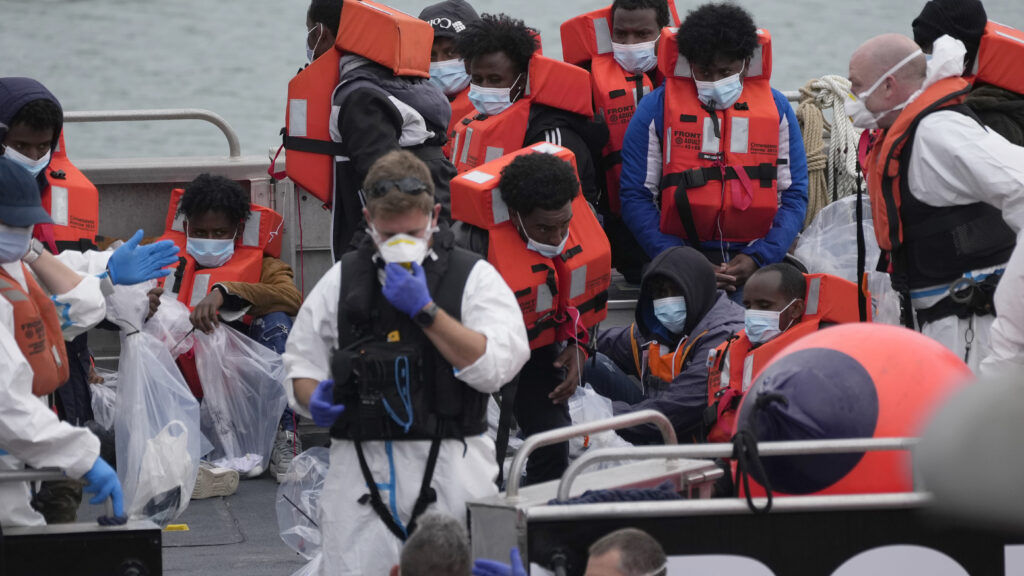
Reducing the number of illegal immigrants coming across the Channel is one of the key goals of the government.
Sir Keir Starmer told the Manchester Evening News that on his recent trip to Beijing, he made progress on stopping Chinese-made boat engines reaching Europe.
This effort comes because, according to the government website, 60% of the boats which crossed the Channel last year had motors made in China.
Before today, immigration authorities had the power to social media users. However, this was only if they could prove that the online content directly led to a migration offence.
Examples of adverts for illegal crossings were shared with Sky News by the Home Office. These were written in English, French and Pashto. One example reportedly showed a TikTok post offering an hour-long jet boat ride from Europe to London, costing $4,000.
This TikTok post purportedly shows a phone number to call to arrange smuggling services from France to the UK. The video appears to show three men in back of a truck sat amongst large boxes of cargo. The caption, which purportedly offers the smuggling service, is written with symbols in between the letters, seemingly in an attempt to shield its content from the being flagged by the algorithm.
The video is easily searchable on the platform and appears at the top of search results.
A total of 933 people have arrived in the UK by crossing the English Channel in small boats this year so far, which is the lowest January figure in five years.