
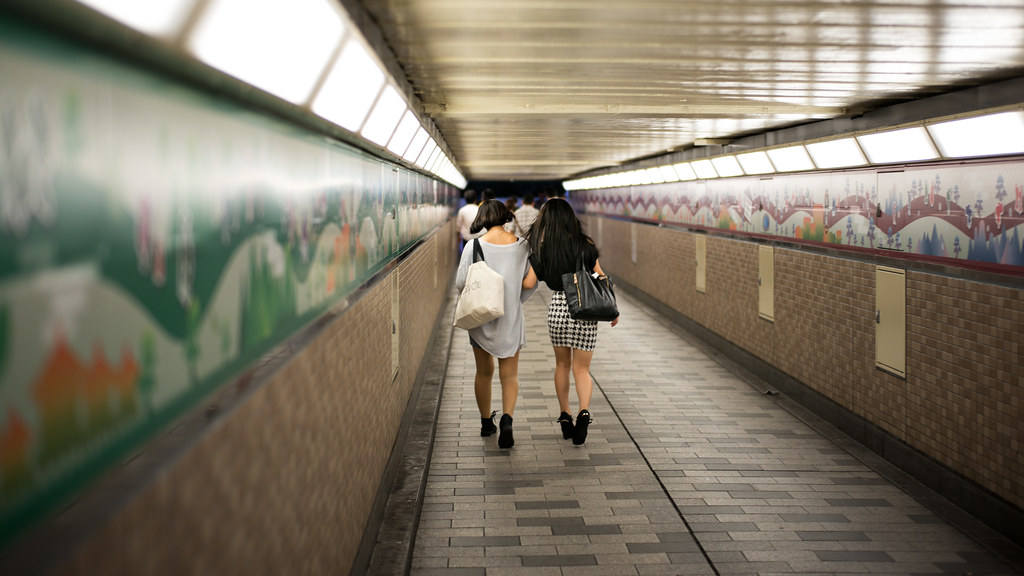
A BBC investigation has uncovered that some men are secretly filming women during nights out and monetizing the footage online.
These videos, often labelled as “walking tours” or “nightlife content,” are filmed on mobile phones and smart glasses and appear on platforms such as YouTube, TikTok, Facebook, and Instagram. They predominantly focus on women wearing dresses and skirts, frequently shot from behind or at low angles, sometimes exposing intimate areas.
The BBC identified nearly 50 women who had been filmed, many of whom were unaware of what had occurred. They described feelings of fear, violation, and humiliation. One 21-year-old woman, filmed from a low angle showing up her skirt, said seeing herself online without consent left her feeling anxious and paranoid whenever she goes out.
More than 65 channels featuring this material were found, with the videos collectively viewed over three billion times in the past three years. The content captures nights out in major cities worldwide, including London, Oslo, Miami, and Bangkok, with Manchester emerging as a particularly popular filming location.
BBC reporters went undercover in Manchester, recording men secretly filming women and identifying some of the most active operators connected to 12 accounts. These included a local taxi driver and two men who had travelled from Sweden, as well as two other men claiming to be based in Norway and Monaco, whose identities could not be verified.
The investigation highlights a growing trend of women being filmed in public without their knowledge, often for profit. A separate BBC report last month revealed male influencers using smart glasses to record women while giving pick-up advice, then posting the footage online. Home Secretary Shabana Mahmood stated the government would not tolerate new technology being exploited to harass women and girls.
Filming in public is not illegal, but lawyers say such videos occupy a legal “grey area” and could breach harassment and voyeurism laws. While YouTube deactivated two accounts following the BBC’s findings, TikTok removed four channels, but much of the content on Facebook and Instagram remains accessible.
This is a developing story, we will bring you more details as they come. Please refresh the page to receive the latest updates.